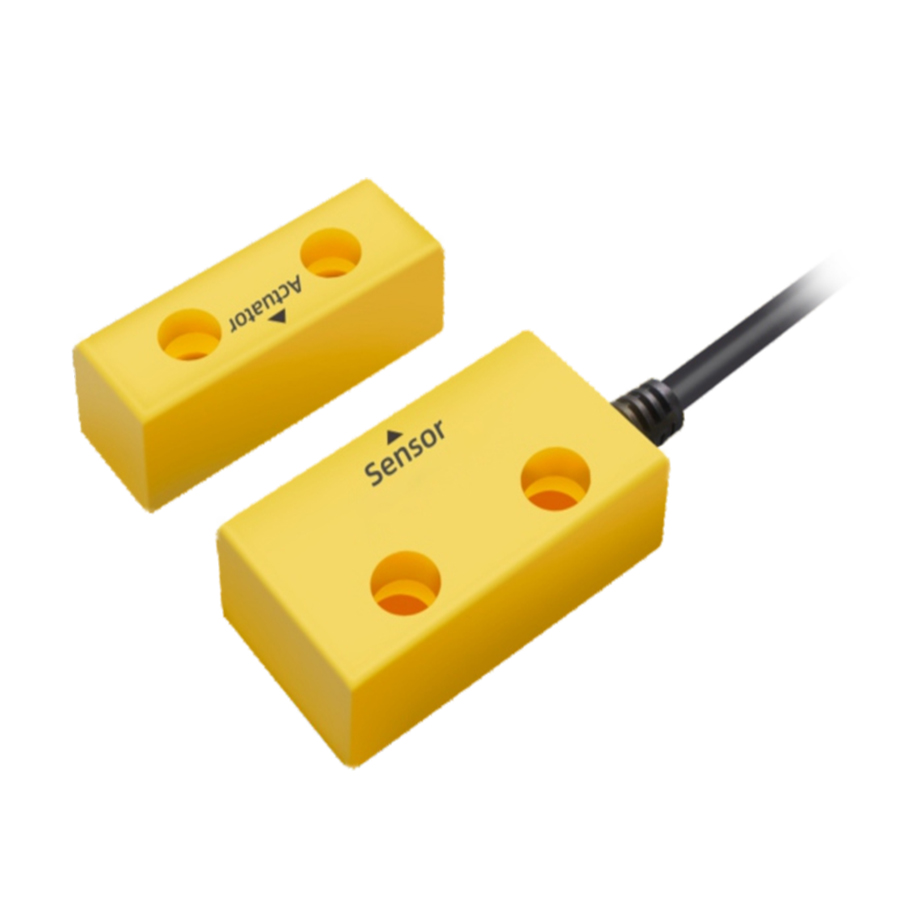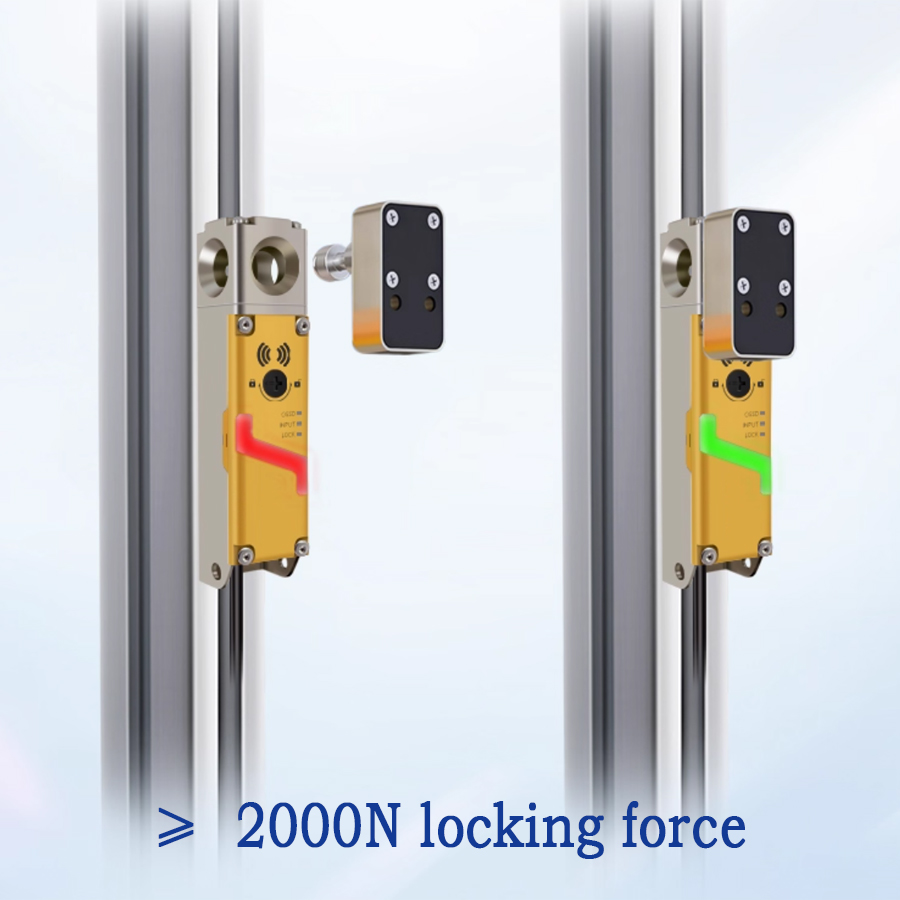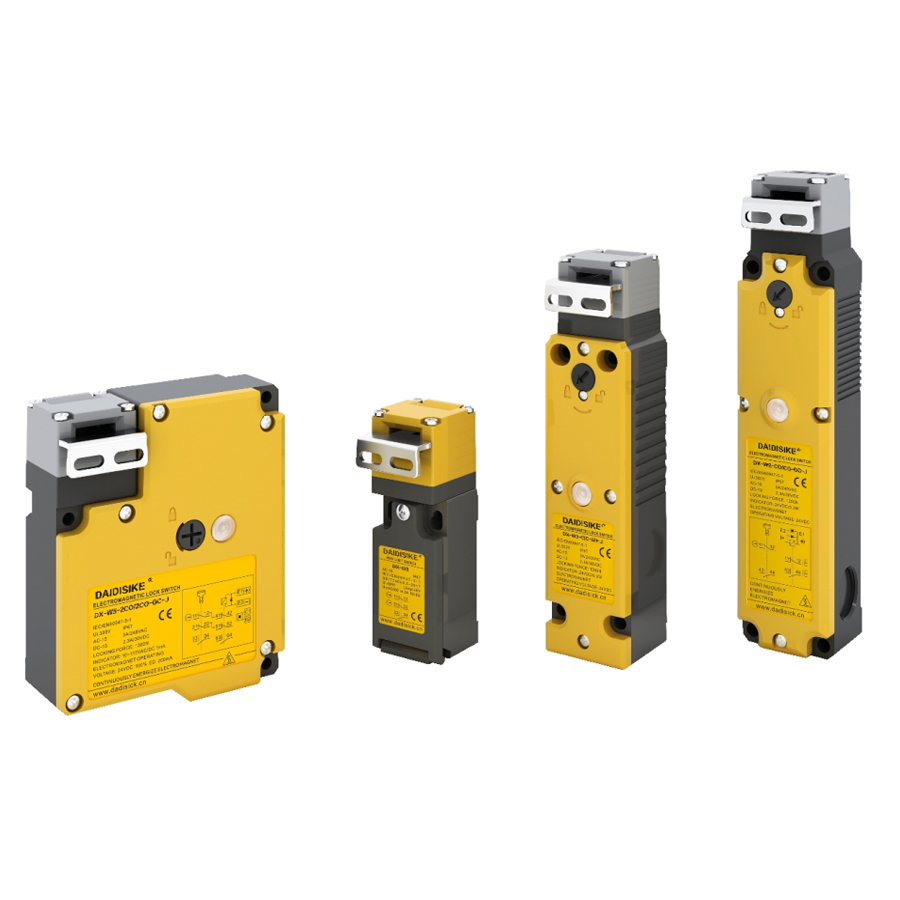
DX-W5 / DX-D2D3 / DX-W3 / DX-W2 industrial machine tool safety door locks
| Scenario / Pain Point | Recommended Model | Why This | Typical Applications |
|---|---|---|---|
| High risk / inertia — door must stay locked | DX-D6 (locking) | Locking mechanism + dual safety channels; optional coding & cascading; PNP/NPN; pigtail or M12 interface. | Presses / press brakes, robotic cells, welding & cutting units |
| Anti-bypass, wide tolerance, multi-door | DX-R1 (coded non-contact) | Unique / common coding options, dual channels, cascade support; generous misalignment tolerance. | Perimeter guarding with many doors; dusty / oily or clean environments; vibration |
| Cat.4 / SIL3 / PL e & large-door misalignment | DX-R1 (coded non-contact) | Coded non-contact design with high misalignment tolerance; multiple in series; ideal for frequent door operations. | Large assembly / packaging lines, big service doors |
| Standard service / guard doors (value) | DX-D2 / DX-D3 (DX series) | Simple mechanics and easy installation; pair with a safety controller to achieve the target PL / SIL. | General machining, common service access |
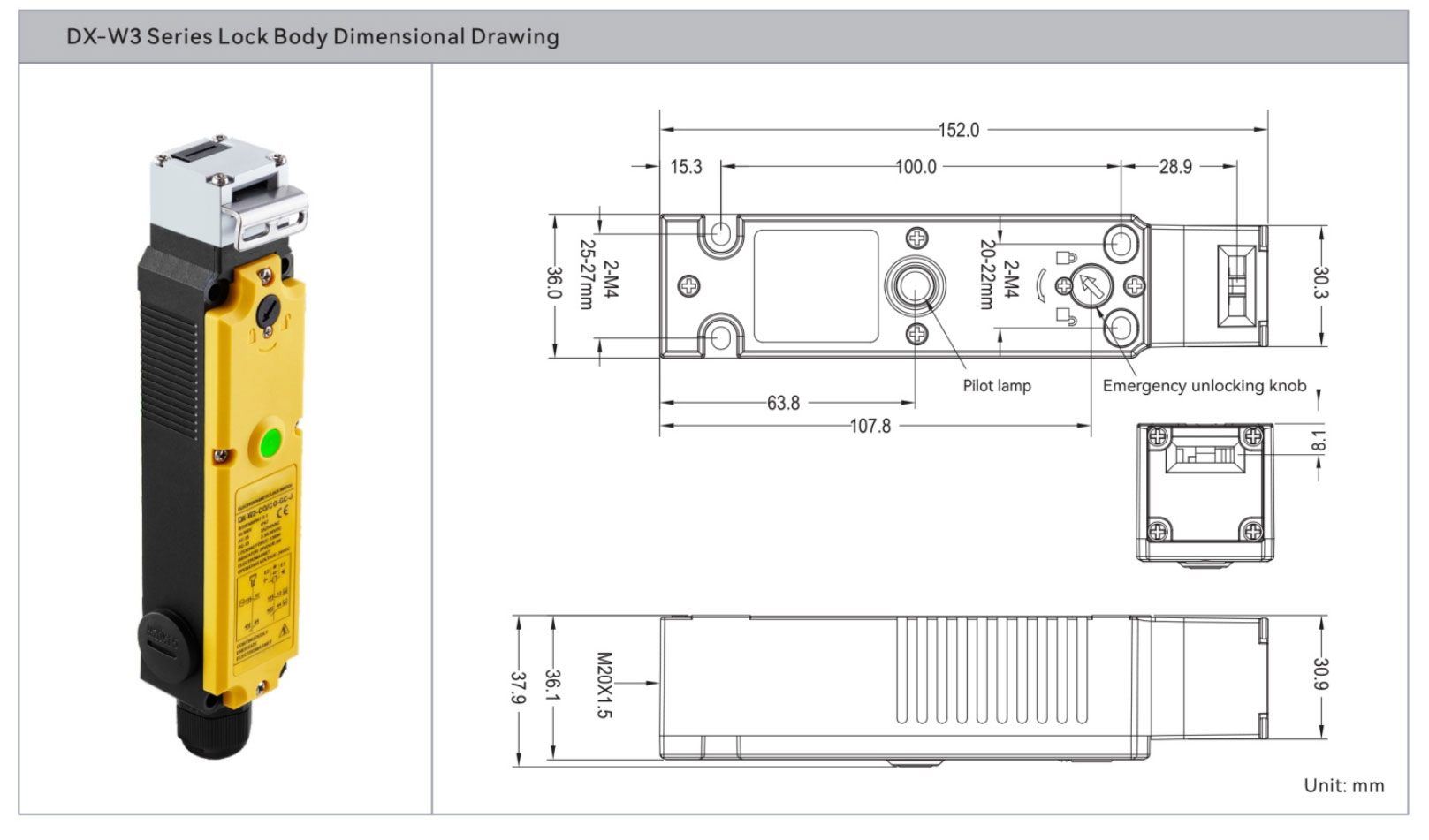
| Form-factor / mounting compatibility add-ons | DX-W2 / DX-W3 / DX-W5 | Broader shapes & mounting options to match existing holes and space constraints. | Limited space or specified appearance compatibility |
Select PNP or NPN to match your I/O; choose pigtail or M12; use 24 VDC with proper shielding and grounding.
Unique / common coding prevents bypass; multi-door cascading reduces safety inputs while retaining status / diagnostics.
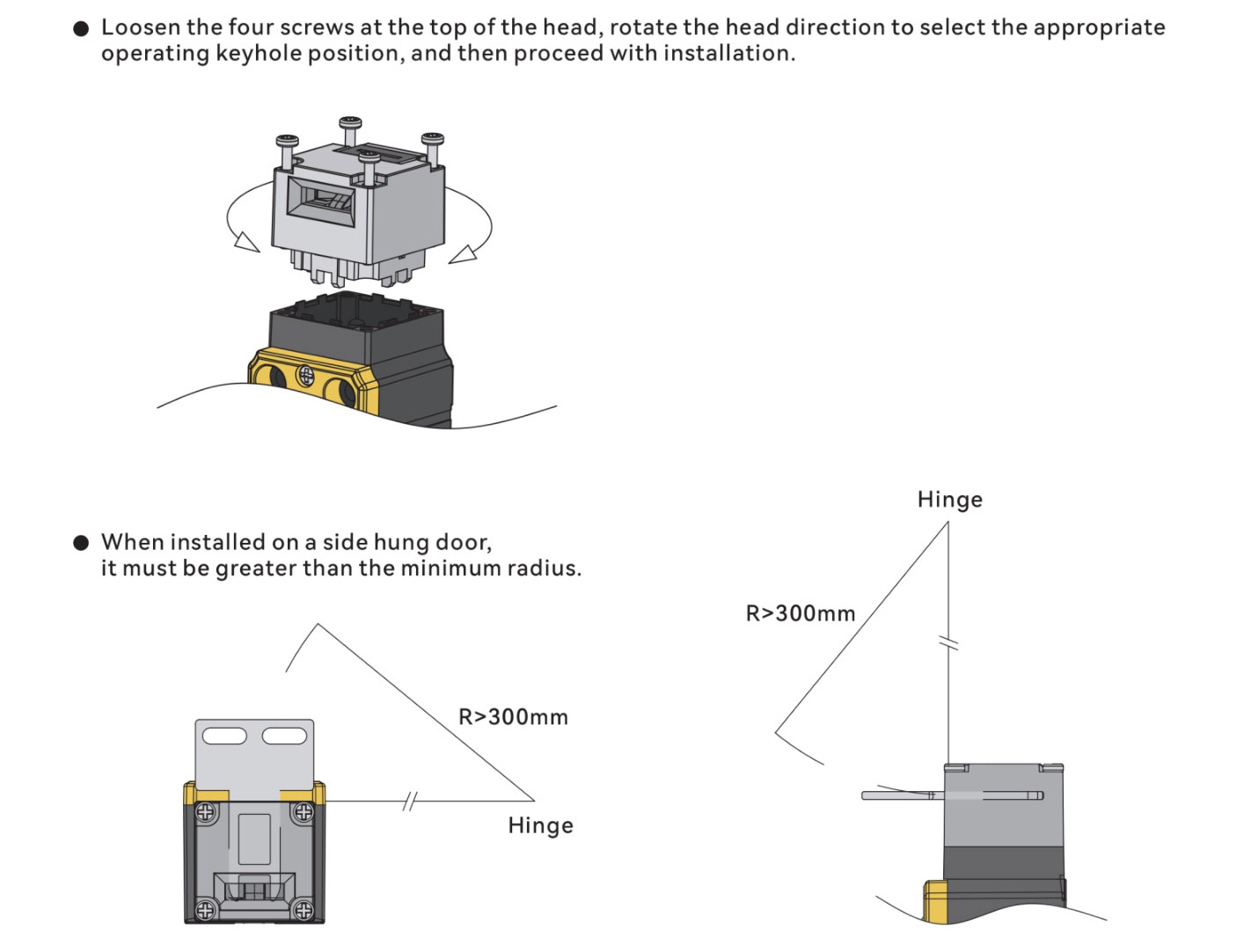
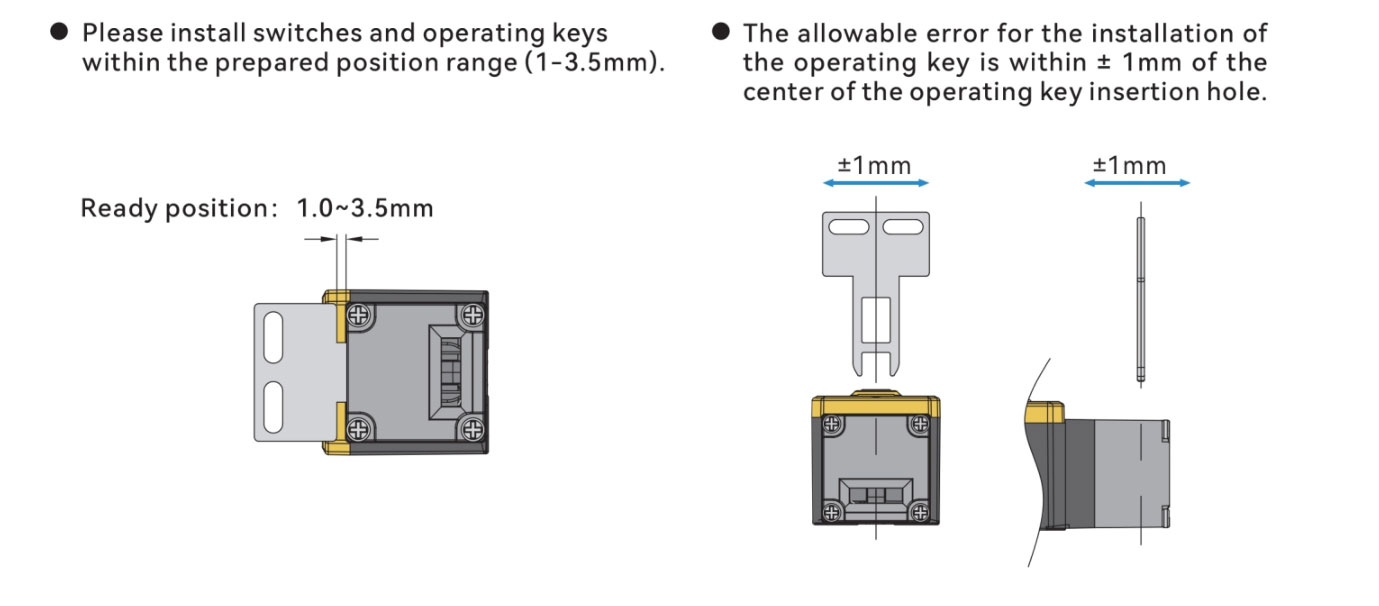
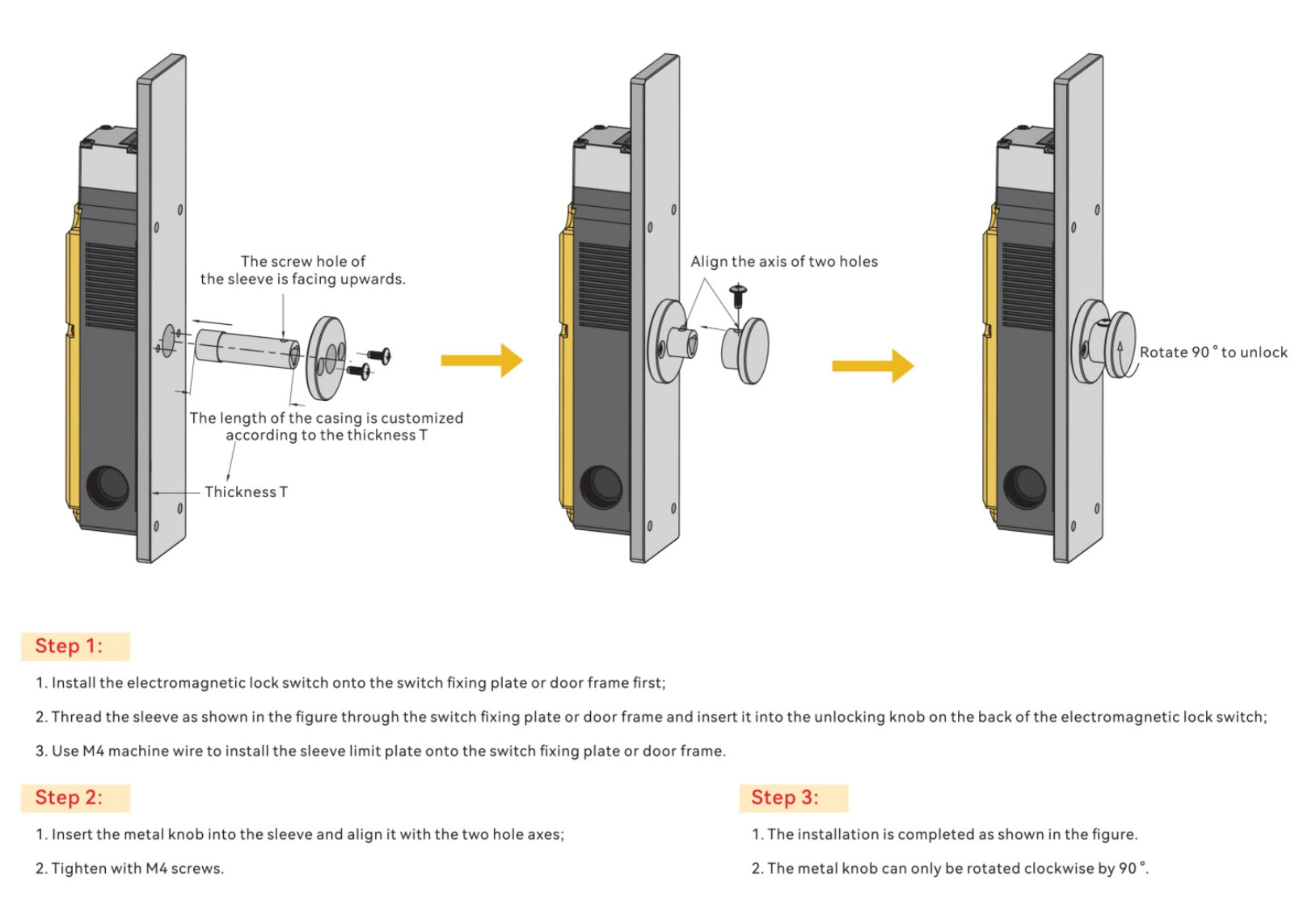
Use rigid hinge-style brackets; in high-risk stations prefer locking DX-D6 with official brackets to mitigate sag and vibration.
For rail dust / side-play, mount DX-D6 with sliding brackets or switch to coded non-contact (DX-R1) for wider tolerance.
Document these in your project file: target PL / SIL, locking requirement, coding & anti-bypass strategy, multi-door cascading, door type & bracket, I/O type and connector.
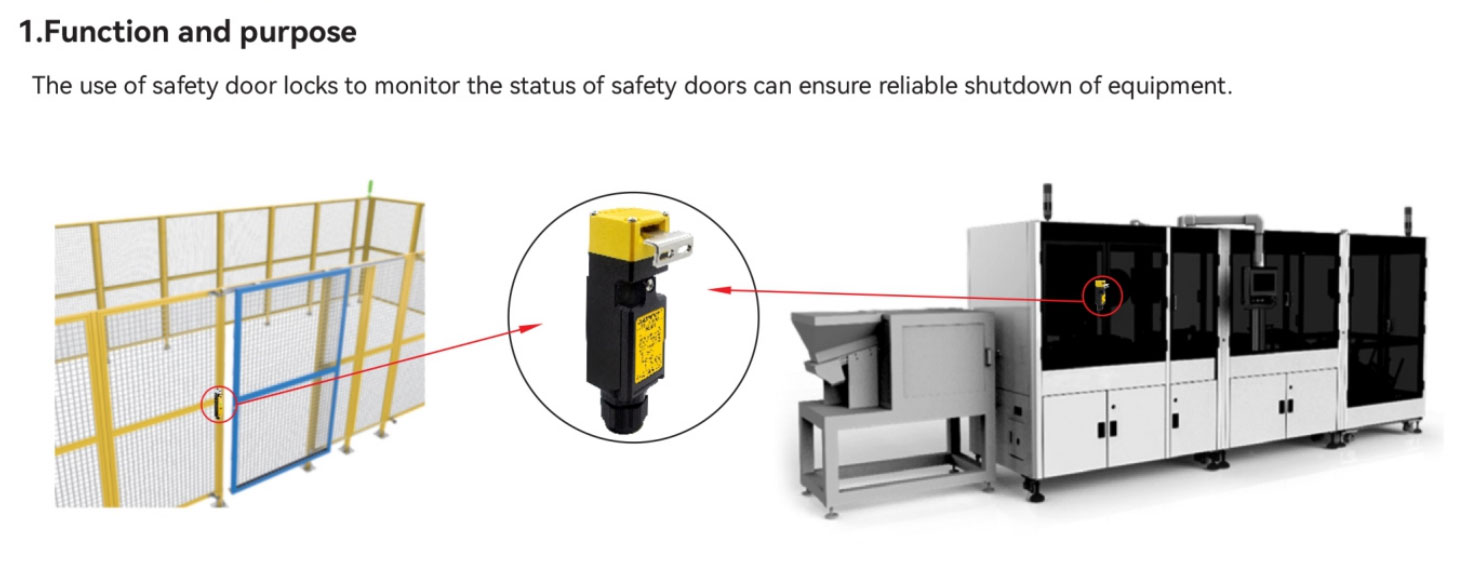
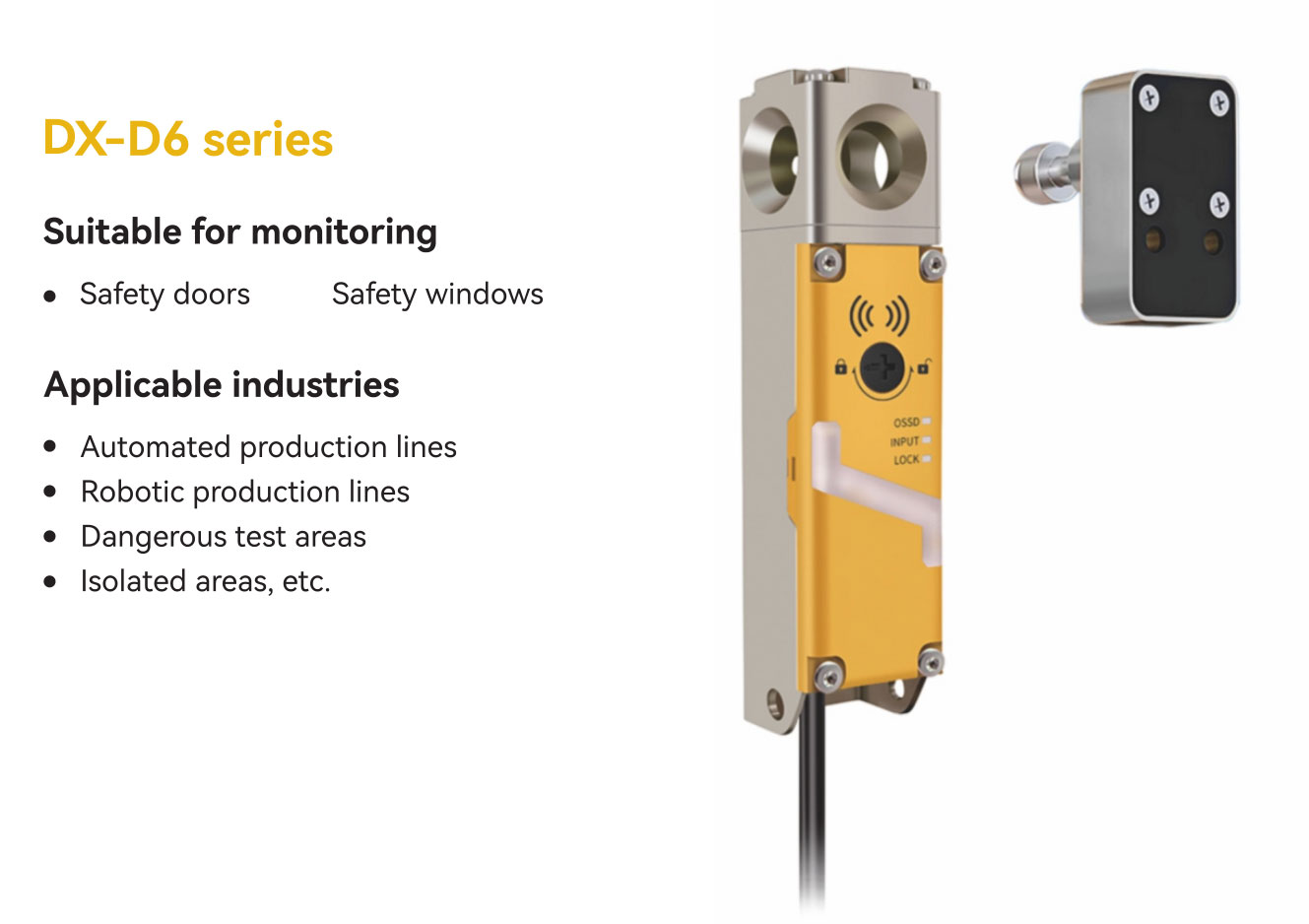
Whenever residual hazardous energy or inertia remains after stop (rotation, heat, hydraulic pressure) or there is a risk of inadvertent entry. Use a locking model such as DX-D6.
Coding prevents bypass and supports compliance. Unique coding blocks “spoofing” with another actuator; common coding eases maintenance replacement and inventory.
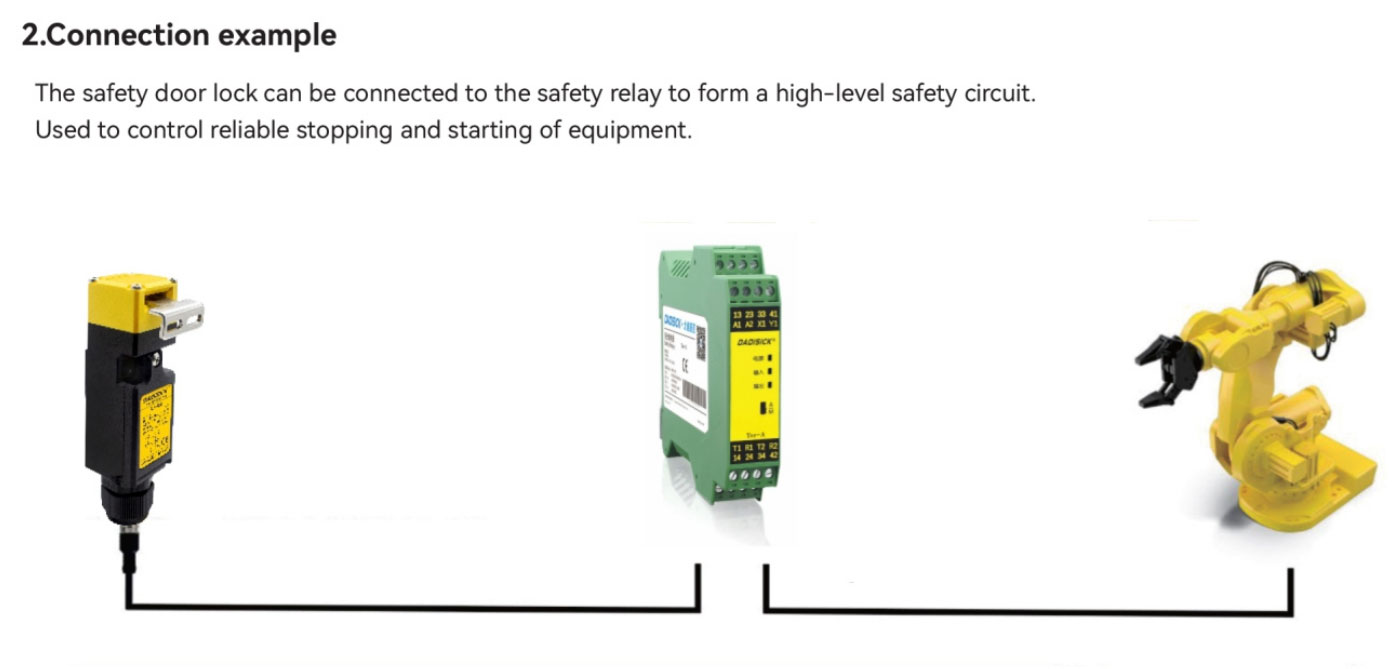
Chain each door's safety outputs into the next door's safety inputs and end in the safety relay / PLC. Keep aux / diagnostic outputs for panel status and alarms.
Rigid hinge-style brackets for hinged doors; sliding brackets or non-contact coded designs for sliding doors to improve tolerance and stability.
Match your controller I/O standard. If unsure, provide the controller model and wiring convention to get the correct variant.
Common causes: door sag, vibration, dust / oil mist, poor shielding / grounding, mismatched I/O type. Use official brackets, non-contact coding and proper wiring to reduce them dramatically.