
ISO 13855 Guide: How to Calculate Safety Distance for Light Curtains
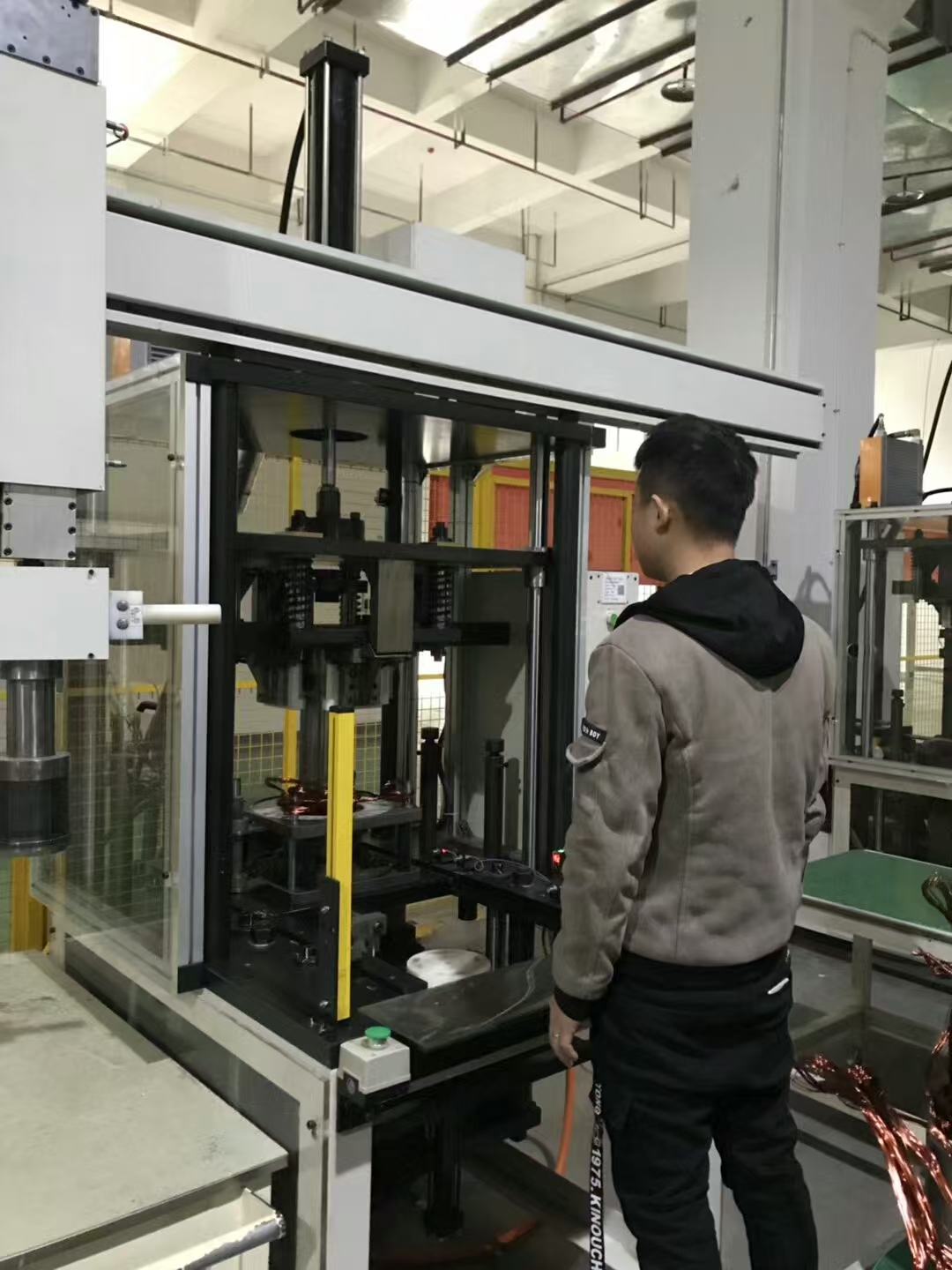
Installing a light curtain is only half the battle. If it's too close to the danger zone, it's just an expensive decoration.We often see a common mistake on factory floors: a high-end safety light curtain installed right up against a high-speed hydraulic press. The intention is good, but the physics are flawed. Even after the light beam is broken, the machine doesn't stop instantly — there is a window of mechanical inertia where an accident can still happen.
To prevent this, international safety standards like ISO 13855 define exactly how far away your sensors must be. This isn't a suggestion; it's a mathematical requirement to ensure the machine comes to a complete halt before a human hand can reach the hazard.
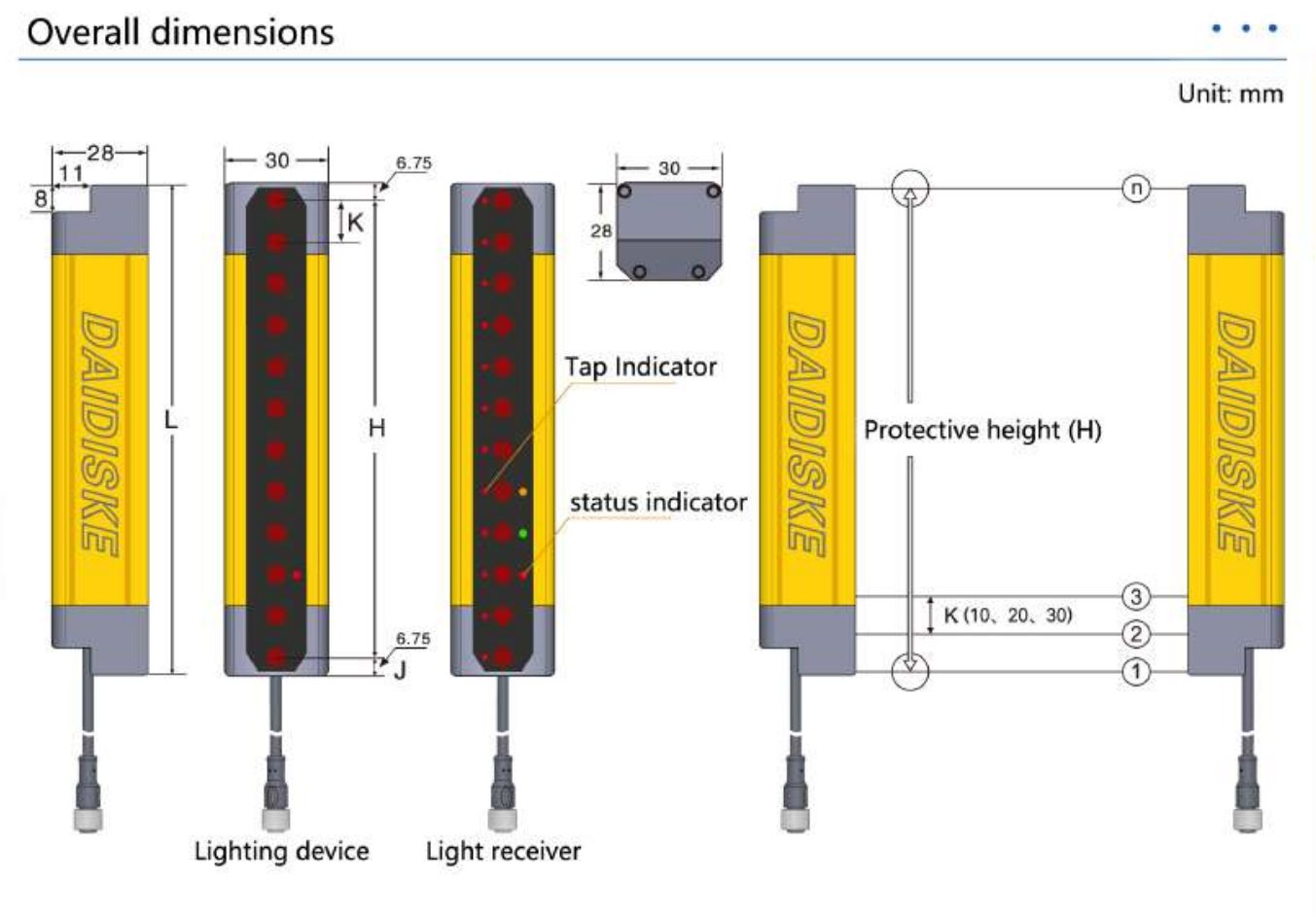
The Master Formula: S = (K × T) + C
The standard uses a specific equation to determine the Minimum Safety Distance (S). Understanding the variables is key to compliance:
S: The minimum safety distance (mm).
K: Approach speed of the human body (Standardly 1600 mm/s or 2000 mm/s).
T: Total Response Time of the entire system.
C: Additional distance based on the resolution of the light curtain (intrusion factor).
Understanding Response Time (T)
This is where many engineers trip up. T is not just the speed of the sensor; it is the sum of the sensor’s internal processing plus the machine’s mechanical braking time.
If you want to understand the physics of how a beam break turns into an electrical signal, you can read our deep dive on how safety light curtain sensors work. A faster internal Response Time allows you to mount the curtain closer to the machine, saving valuable floor space.
The Role of Optical Interference
While calculating distance, you must also consider environmental factors. If your facility has high Optical Interference from nearby welding arcs or reflective surfaces, the light curtain might suffer from “Ghost Trips” or, worse, delayed detection. Ensuring your sensor has the intelligence to ignore noise is as critical as the distance itself.
Why Resolution (C) Matters
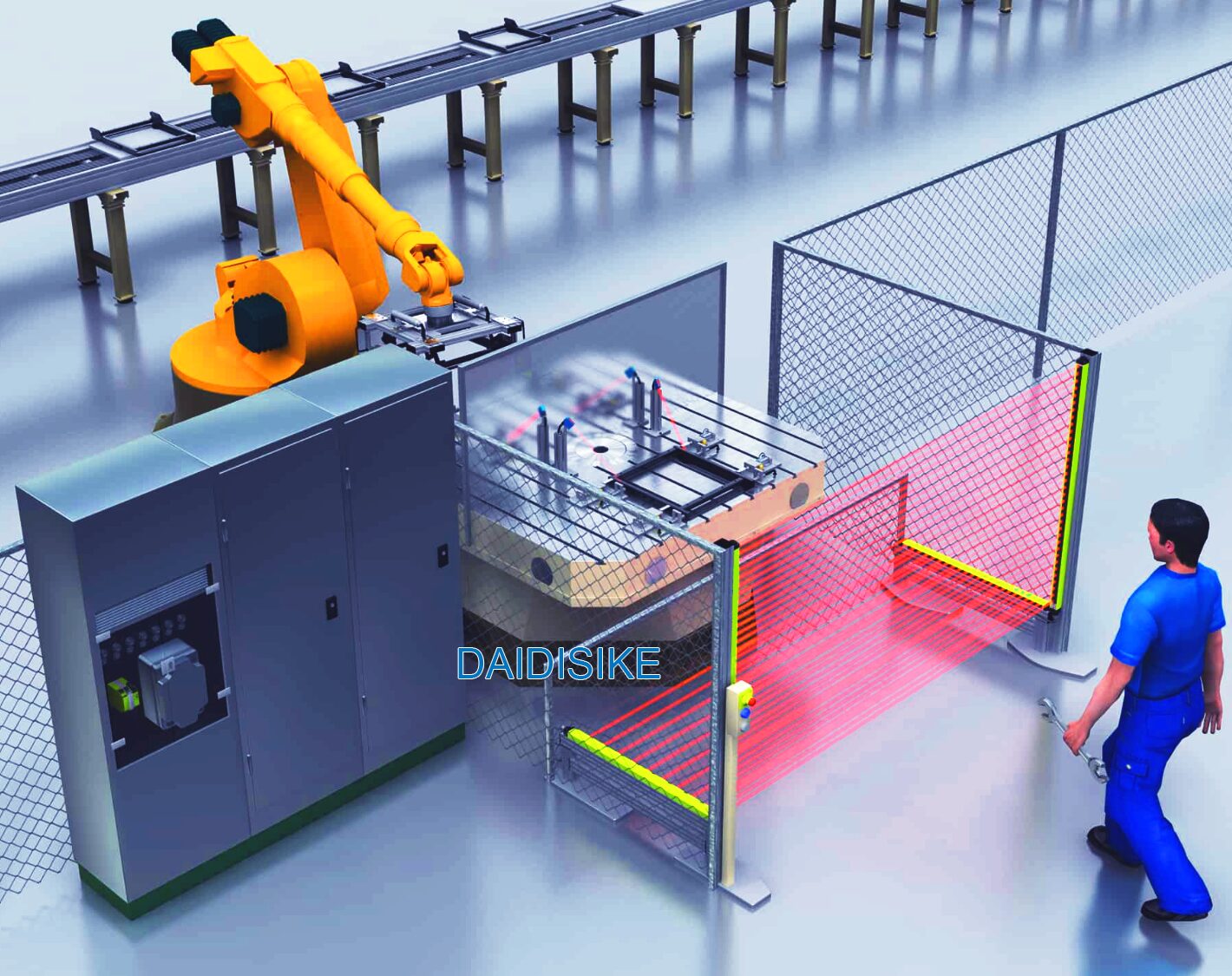
The “C” factor in the formula depends on how “tight” the beams are. A finger-protection curtain (14 mm resolution) allows a smaller “C” value than a limb-protection curtain (40 mm resolution). In short: the more precise your sensor, the closer it can safely stand to the flame.
Summary Checklist for Compliance:
- Measure your machine's actual stopping time (not just the datasheet value).
- Factor in the hand-speed constant (K) based on your regional regulations.
- Ensure the Safety Light Curtain resolution matches the calculated “C” factor.
- Double-check for reflective surfaces that could cause beam bypass.
Our engineering team can help you calculate the exact safety distance for your specific machine.
Explore High-Precision Safety Curtains →