
Is the NC servo feeder electric or pneumatic?
Answer: The NCF servo feeder is an electric feeder driven by a servo motor and controller. It is not a pneumatic “air feeder.” Below we explain how it works, how it differs from pneumatic types, and how to select it for a press line.
1) What is an NCF servo feeder?
An NCF feeder uses an AC servo motor + servo drive to rotate pinch rollers that index coil strip or sheet stock into a punch press or forming machine. The servo executes precisely defined feed lengths (pitch), speeds, and acceleration profiles. A release cylinder is often present to open the upper roller during pilot pin alignment, but the feeding power is electrical, not pneumatic.
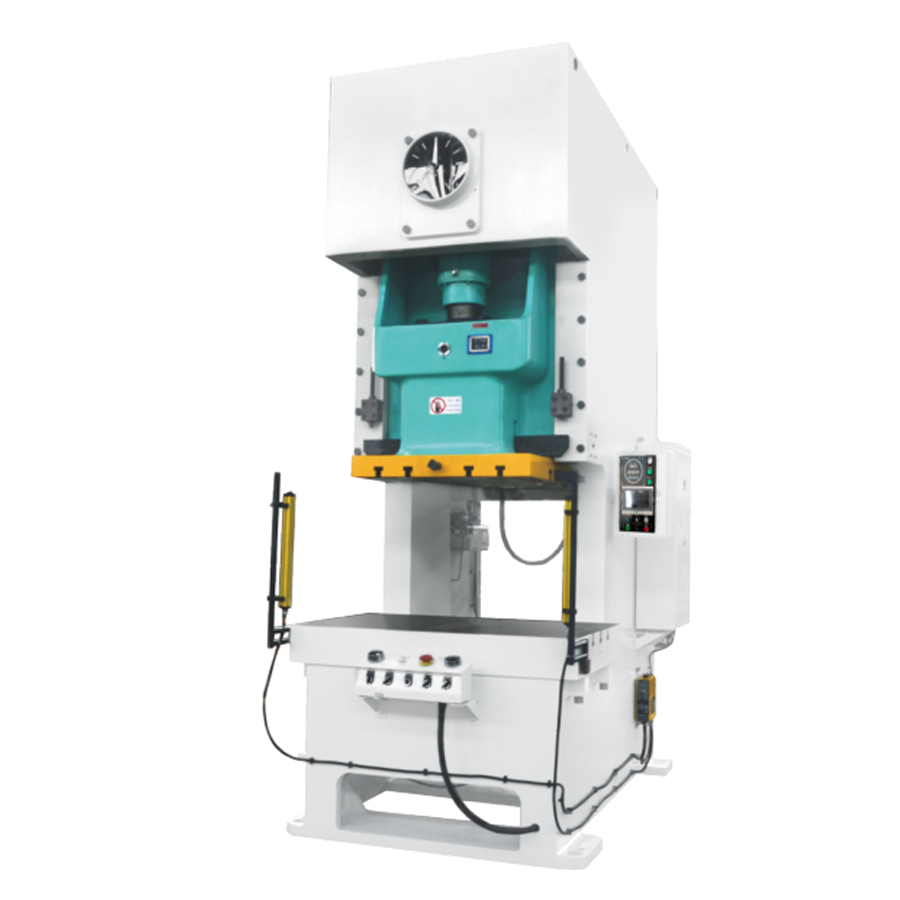
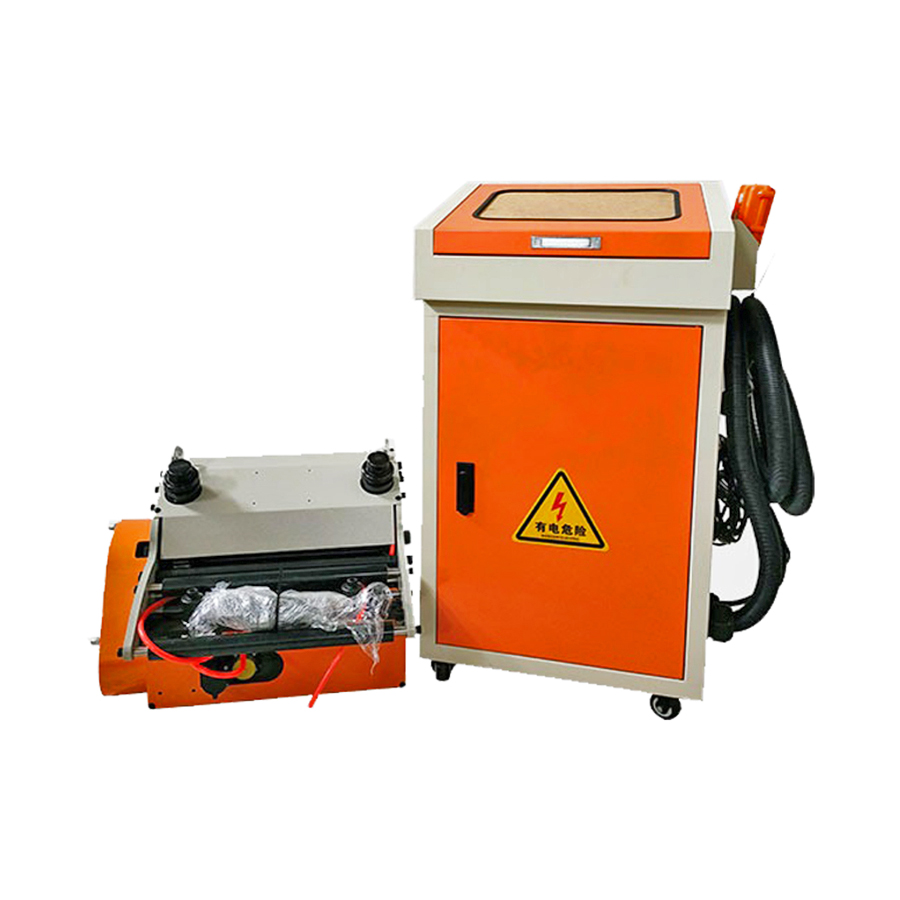
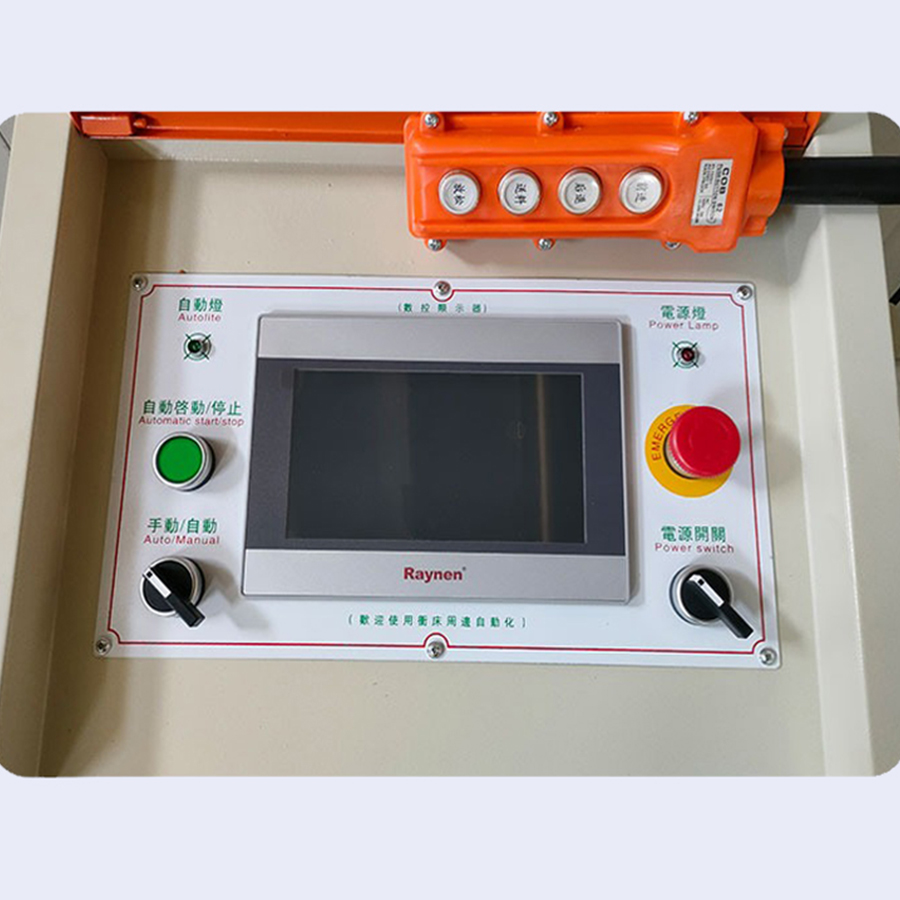
When people say “air feeder,” they usually refer to reciprocating pneumatic grippers. NCF is a different class—roller feeding commanded by a servo controller.
2) Electric (servo) vs pneumatic feeders
| Aspect | NCF servo feeder (electric) | Pneumatic feeder (air) |
|---|---|---|
| Drive principle | Servo motor with closed-loop position control | Cylinders/valves in open-loop stroke cycles |
| Accuracy & repeatability | High and consistent over speed range | Depends on pressure, friction & stroke wear |
| Pitch flexibility | Freely programmable; multi-segment programs | Limited by mechanical stroke adjustments |
| Synchronization | Electronic cam with press encoder | Typically time/limit-based; less precise |
| Material friendliness | Rollers with controlled torque & release | Grippers/clamps; risk of slip on lubricated strip |
| Best use cases | Progressive dies, high-mix/short changeovers, fine pitch, high speed | Simple feeds, low cost retrofits, moderate speed |
| Utilities | Electric power; small air only for release (if equipped) | Compressed air demand is continuous |
3) Synchronization with the press
Electronic cam
The feeder reads a press encoder (or cam switch) signal to start feeding during the non-interference window, then holds during punch impact. This prevents die clash and allows higher strokes per minute.
Pilot release & anti-slip
During pilot pin entry, the servo commands zero torque and the release cylinder lifts the upper roller momentarily. After pilots seat, the roller clamps to resume the next index.
4) Selection checklist
- Strip width & thickness: match to roller size, motor torque, and frame rigidity.
- Required pitch & SPM: verify available acceleration and dwell windows with your press stroke curve.
- Surface condition: choose roller material/knurl and pressure setting for dry vs lubricated stock.
- Interface: confirm encoder ratio, release valve I/O, and e-cam parameters with the press control.
- Changeover: prefer recipe memory, hand-wheel gap adjust, and clear scale references.
5) FAQs
Is the NCF feeder pneumatic?
No. NCF is an electric roller feeder driven by a servo motor. Some models use a small air cylinder only for temporary roller release, not for feeding power.
Why choose servo over air?
Servo gives stable accuracy, programmable pitch, and encoder synchronization—ideal for progressive dies and high SPM production where repeatability matters.
Can NCF handle oily or thin materials?
Yes—select appropriate roller material/finish and pressure. For very thin or highly lubricated strip, add anti-slip knurl or support plates as recommended by the die maker.