In industrial environments, choosing the right safety light curtain is not just about model selection. It directly affects machine safety, anti-interference performance, installation stability, and long-term reliability. Based on DAIDISIKE’s practical experience in industrial safety protection, this article organizes the key points in a clear and practical way.
1. Common Types of Industrial Safety Light Curtain Sensors
In real industrial environments, different safety light curtain sensors are designed for different working conditions. Choosing the right type should always start from the actual site environment and the protection requirement.
1. Optical Synchronous Safety Light Curtains
Optical synchronous safety light curtains are suitable for relatively simple protection tasks where there is no variable-frequency interference, no direct sunlight interference, and no strong vibration on site.
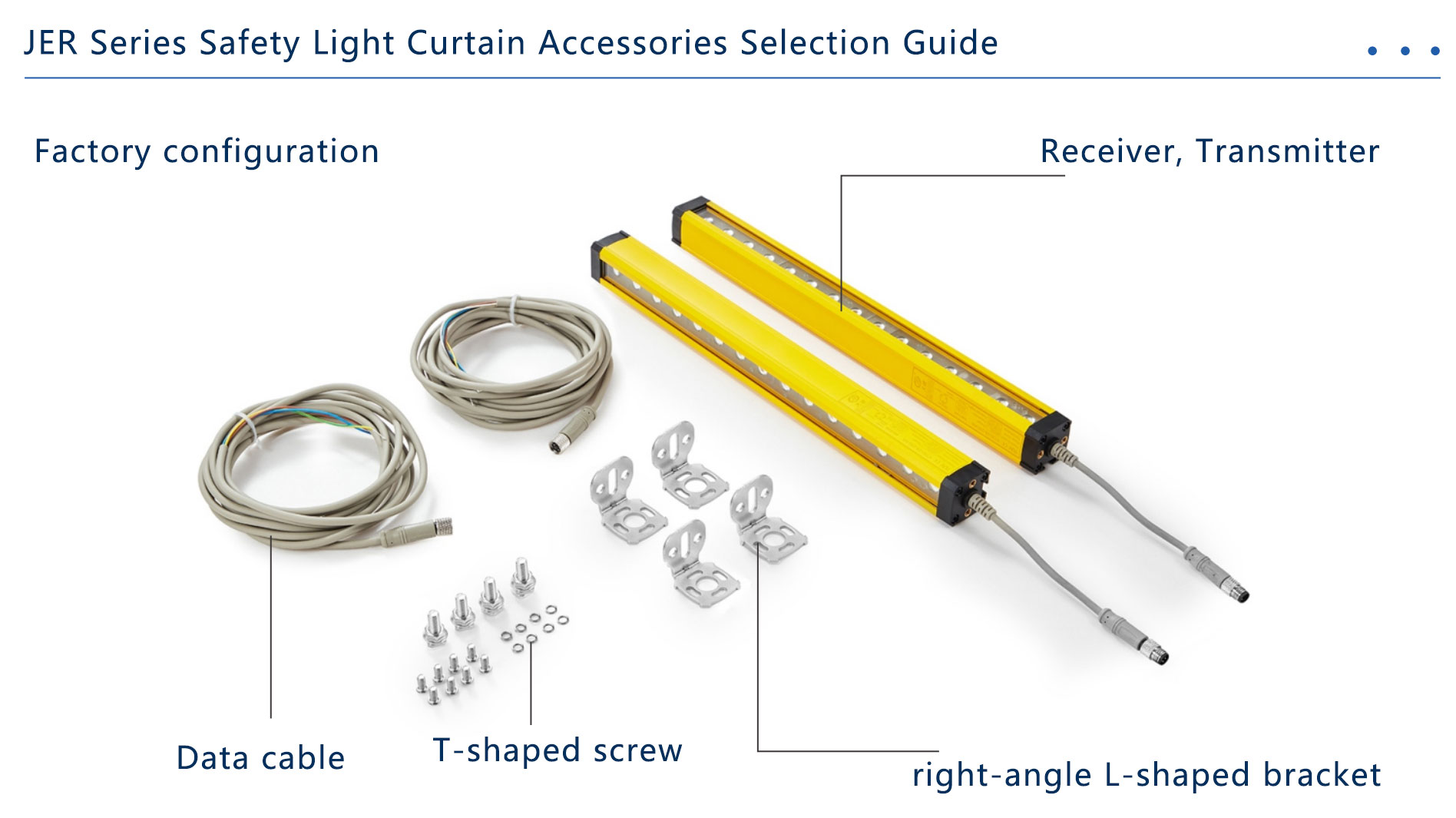
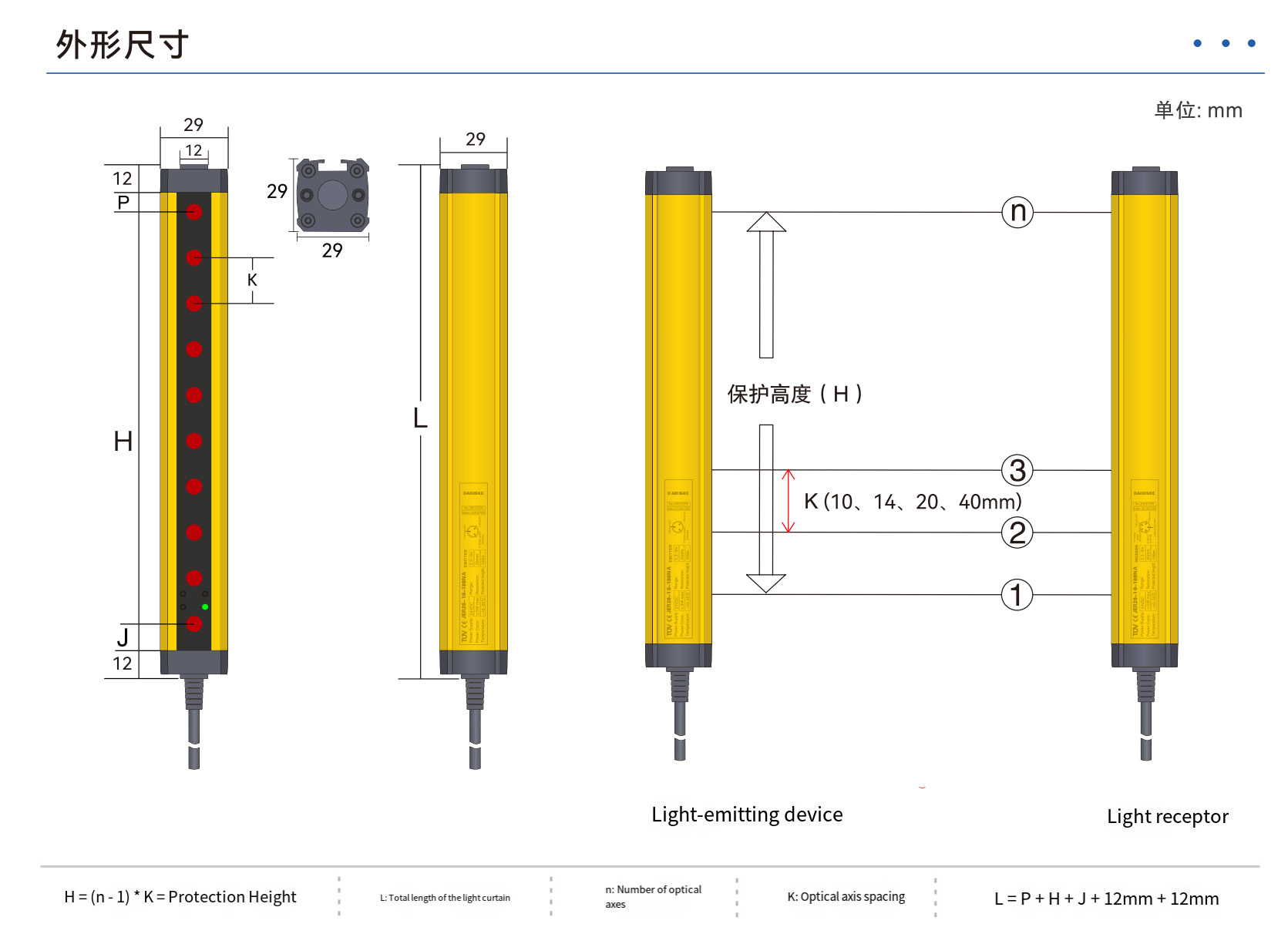
In these situations, we usually recommend the MK and JER optical synchronous series. These two models offer very good cost performance. They are affordable, stable in daily use, and suitable for many standard protection applications.
2. Wired Synchronous Safety Light Curtains
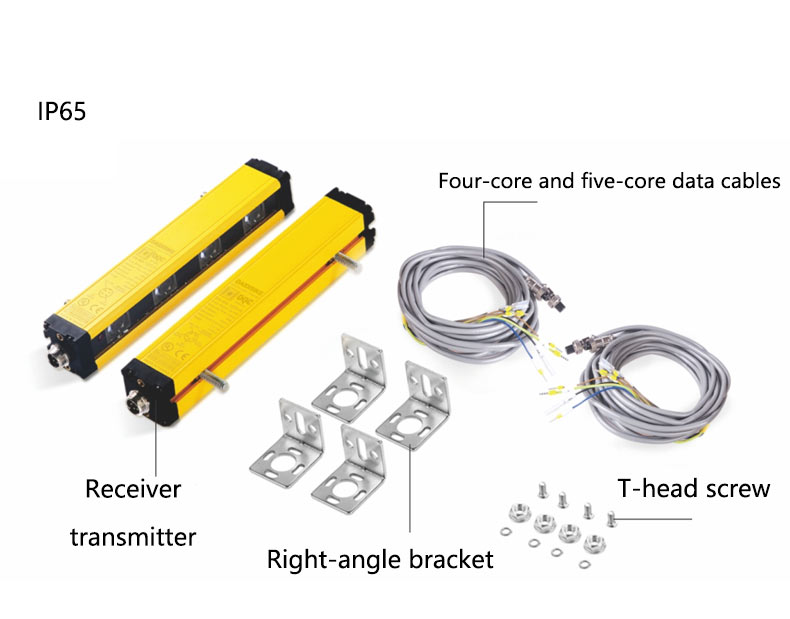
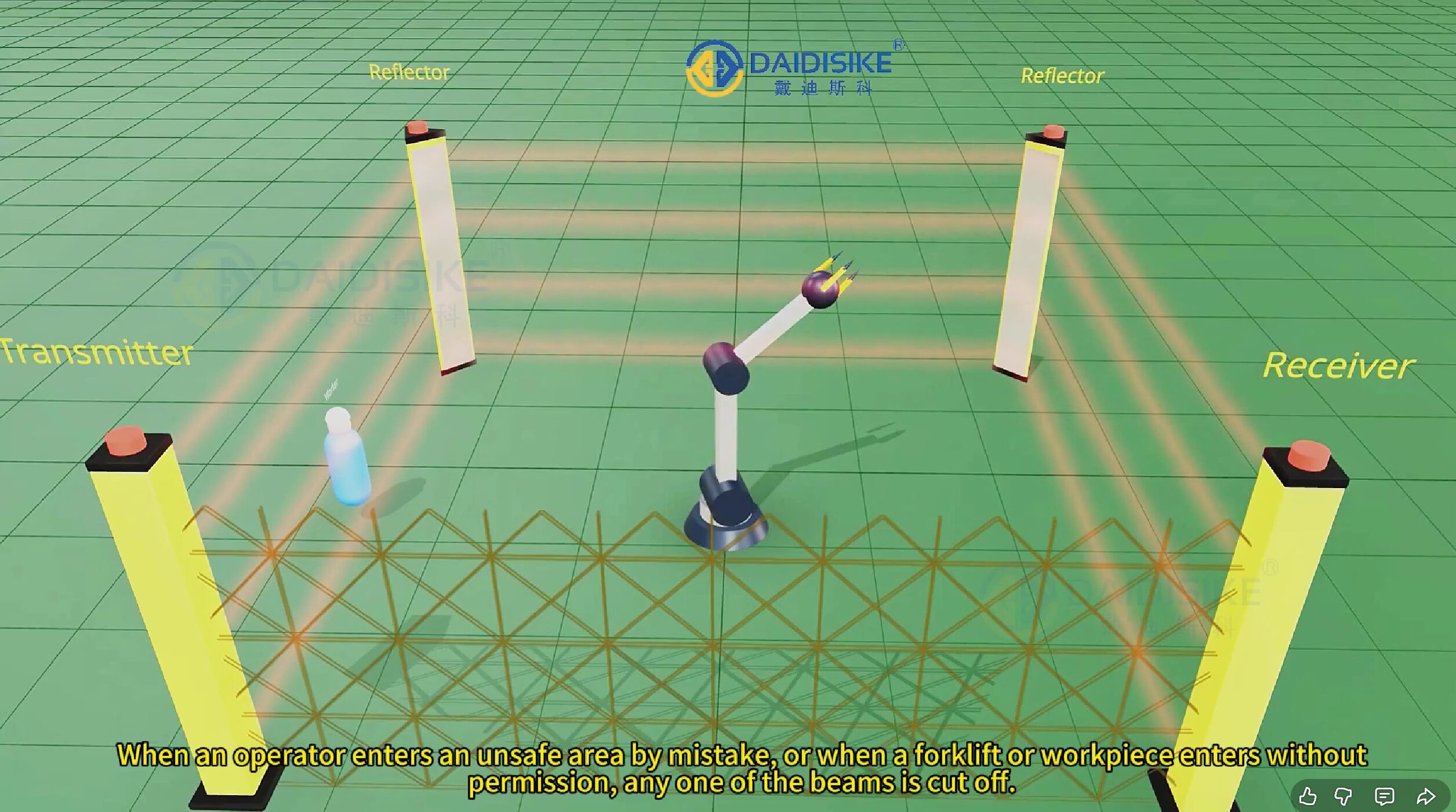
Wired synchronous safety light curtains are more suitable for environments with stronger interference, such as welding arc light, strong light exposure, or large vibration from punch presses and mechanical equipment.
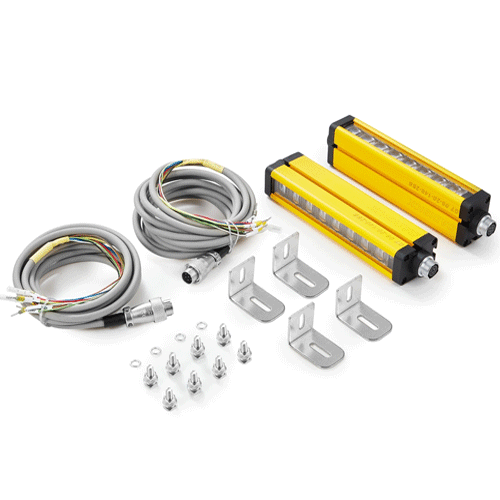
Typical examples are our DQC and DQA series. These models are designed for harsher environments. For difficult site conditions, long-distance protection, or more demanding anti-interference requirements, the DQA series is generally recommended.
2. Typical Application Scenarios in Different Industries
Different industrial machines and site environments have different requirements for safety light curtains. In practice, application matching is the first step in model selection.
| Application Equipment | Recommended Model | Selection Logic |
|---|---|---|
| Hydraulic press / Punch press | MK, JER optical synchronous series, or DQC series | For common stamping protection, MK or JER can meet many standard needs. If the site condition is more demanding, DQC can provide a more stable solution. |
| Custom automation equipment | JER optical synchronous series is widely used | In many non-standard automation projects, the installation size and bracket size should be confirmed first. JER is a common choice in this type of application. |
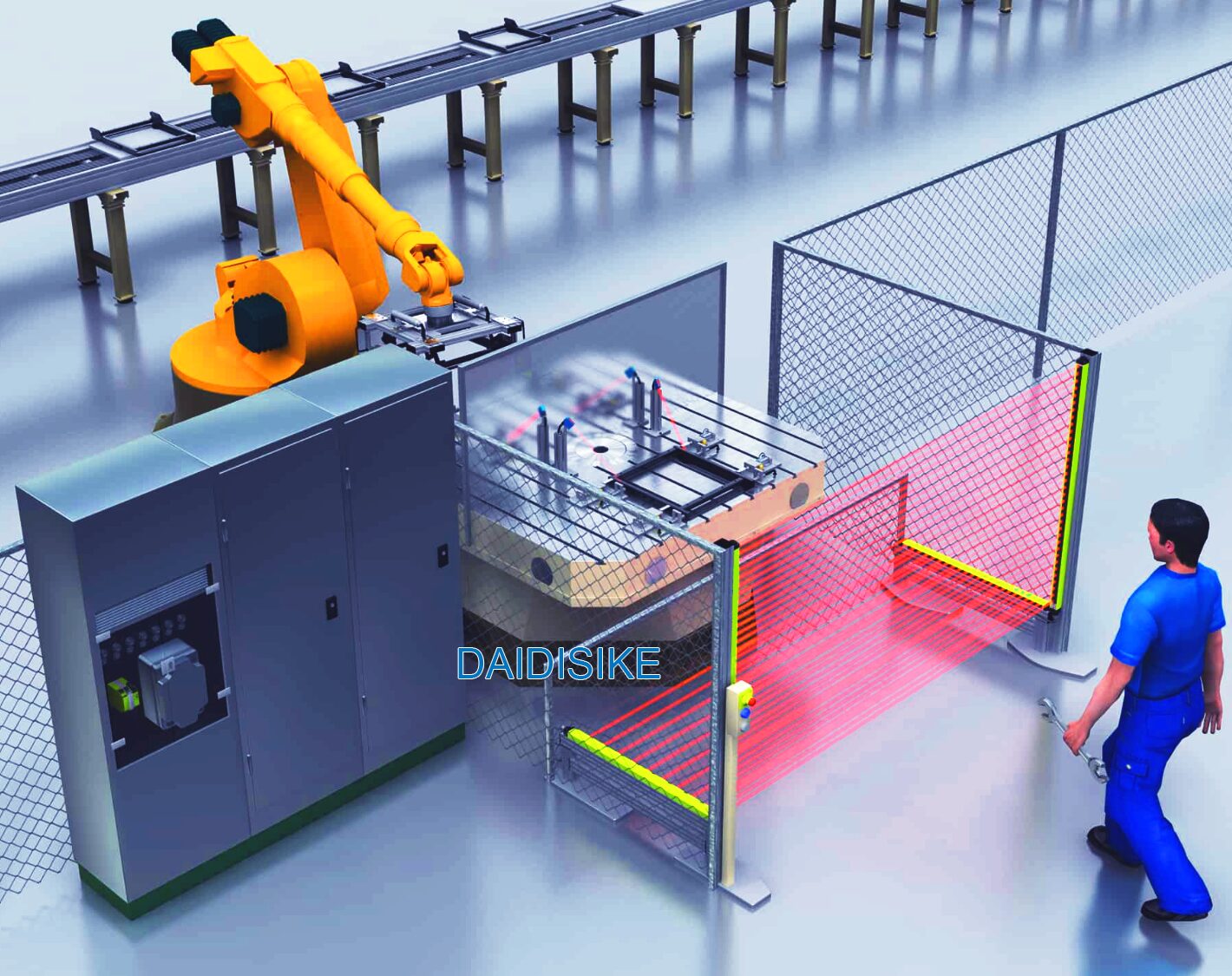
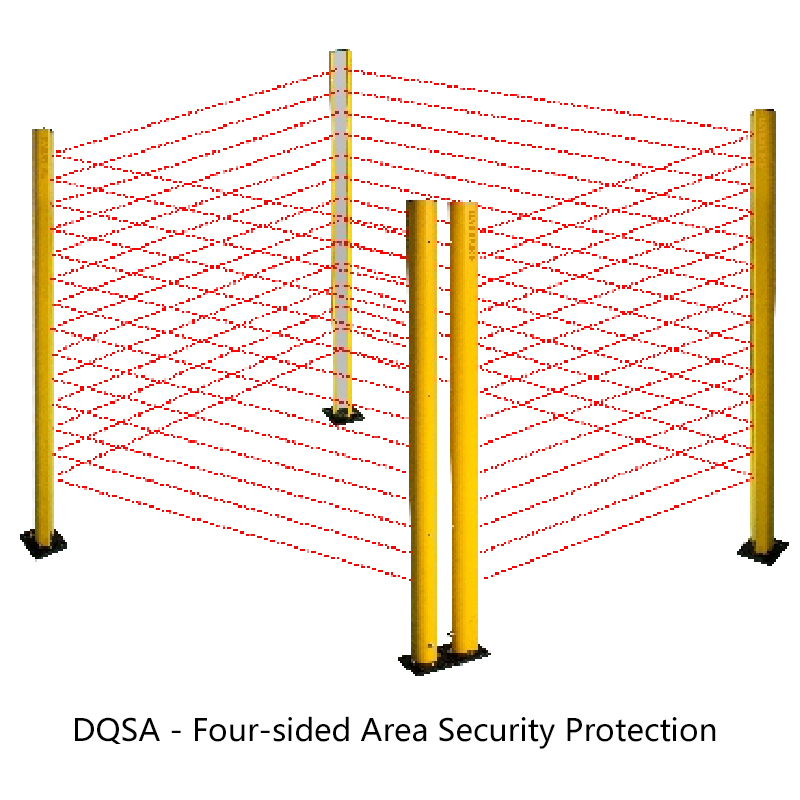
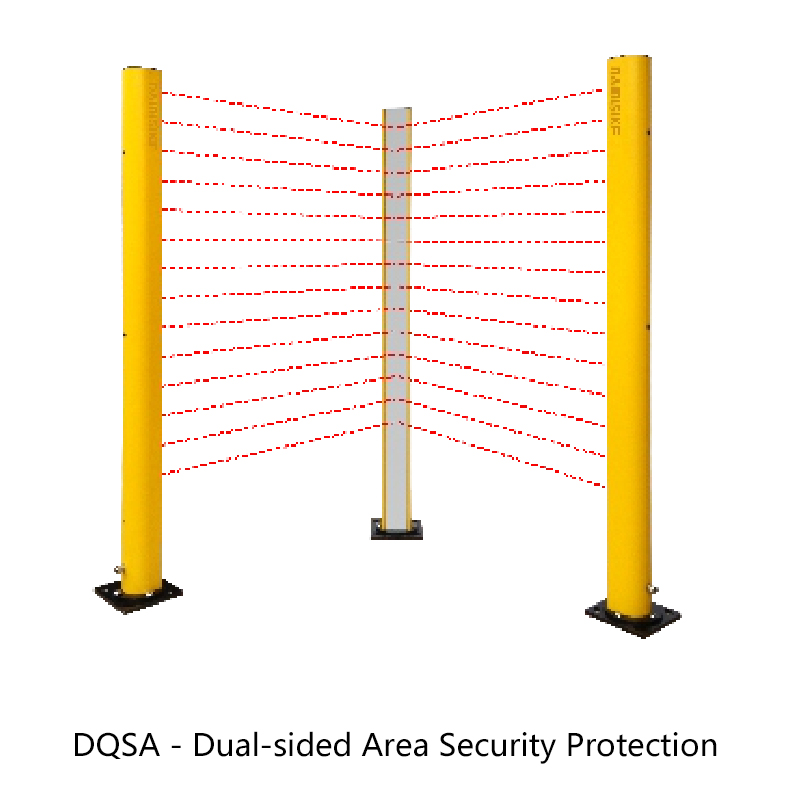
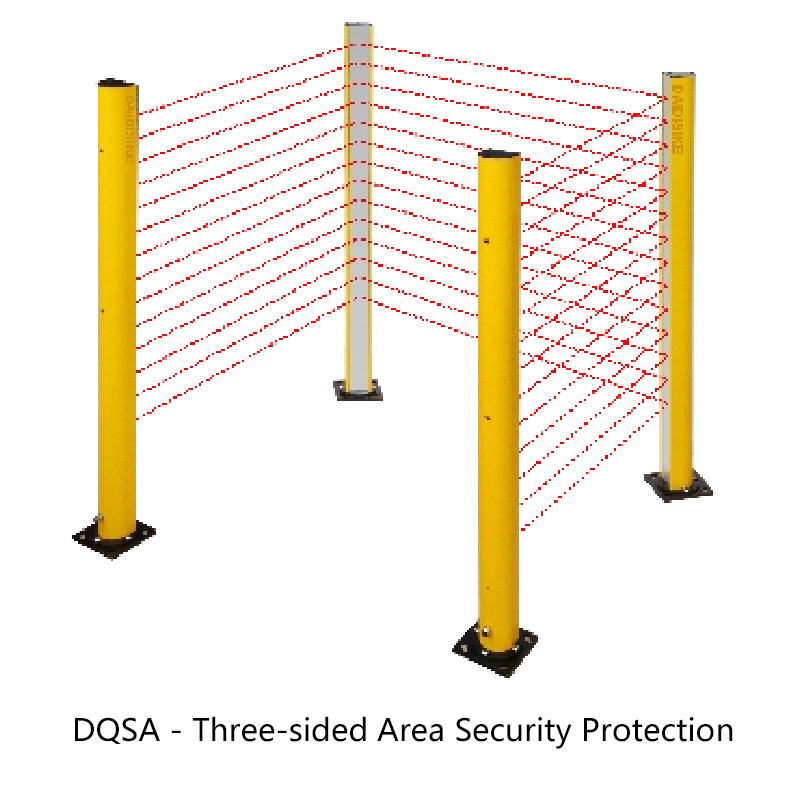
| Robot hazardous area protection | DQSA area protection type with floor stand | For dangerous robotic operating zones, the yellow floor-standing type is often recommended. It can provide single-side, double-side, triple-side, or even four-side safety protection. |
3. Key Parameters for Model Selection
During the selection process, the following key parameters should be carefully evaluated. Many wrong selections are caused not by the product itself, but by ignoring the actual environment and control requirements.
- 1. Detection Range / Working Range
Make sure the effective range fully covers the real protection area. Otherwise, the result may be unstable performance or reduced effectiveness. - 2. Accuracy
For applications requiring higher precision and more stable response, an industrial-grade or higher-end model is recommended. - 3. Output Signal
Common outputs include 4-20 mA, 0-10 V, or digital signal types such as NPN, PNP, normally open, normally closed, and internal relay outputs. The selected output must match the control system. - 4. Working Environment
Temperature, humidity, waterproof rating, explosion-proof requirements, as well as site interference, vibration, arc light, and strong incandescent light should all be considered.
4. DAIDISIKE Series Comparison: DQC / DQA vs MK / JER
In actual projects, DAIDISIKE offers product solutions for different budgets and different site requirements.
5. Safety Light Curtain Selection Process
A practical and reliable selection process usually follows these steps:
Define the Application
Clarify what kind of machine or area needs protection and what safety goal must be achieved.
Confirm the Technical Requirement
Determine the main technical requirement, such as protection distance, detection need, or control matching.
Choose the Series
Select between DQC / DQA or MK / JER according to site condition, anti-interference need, and budget.
Check the Environment
Consider temperature, waterproof need, explosion-proof requirement, interference, and vibration.
Confirm with Supplier
Finalize technical details with the supplier before ordering to avoid mismatch and installation problems.
6. Video Explanation
To help readers understand the logic behind safety light curtain selection more directly, we have included a video introduction below. Through the video, you can quickly understand practical application methods and model selection ideas.
Video link: Watch on YouTube
7. Why Choose DAIDISIKE?
- Factory direct supply with more competitive pricing
- Support for OEM and customized development
- Stable product performance for long-term industrial use
- Professional technical support for model selection
If you are not sure which model is suitable for your project, DAIDISIKE can provide one-to-one selection support according to your machine, environment, and installation requirement.
Expert Note
Published by the DAIDISIKE Engineering Team
This article is organized and reviewed by the DAIDISIKE engineering team. Our senior engineers have many years of engineering experience in industrial automation and have supported a wide range of customer projects in machine safety protection.